

For adults living in a 55+ community, maintaining a safe home becomes even more important with age. While mold growth may seem like a minor household issue at first, it can quickly turn into a serious concern when left untreated. From hidden leaks and excess humidity to poor ventilation and flooding, mold can develop in almost any home under the right conditions.
Unfortunately, older adults are often more vulnerable to the respiratory and health complications associated with mold exposure. Understanding what causes mold growth, how to spot it early, and when to call a professional can help you protect both your home and your health, giving you greater peace of mind every day.
In this blog, we’ll explore the common causes, why mold presence is cause for concern, and when you should reach out to professionals for support.
What Are the Most Common Causes of Mold Growth in Homes?
If you believe you’re experiencing mold growths in your home, you may be concerned about what is causing and feeding it. In most cases, this growth is the result of excess moisture on your property. Mold spores float through the air, and need a damp surface to attach themselves to if they want to colonize and grow.
Once they’ve attached to the damp surface (think of shower walls, drywall near leaks, areas near your kitchen sink), it can take as little as 24 hours for rapid growth to begin. If you are experiencing an increased mold presence in your home, it is most likely caused by one of the following problems:
- Leaks and Water Damage: Whether you’re dealing with a broken pipe or missing roof tile, these leaks feed mold spores, leading to growth in your home.
- High Humidity: If you are running a humidifier in your home or aren’t opening windows and running fans during and after showers, this can lead to mold growth.
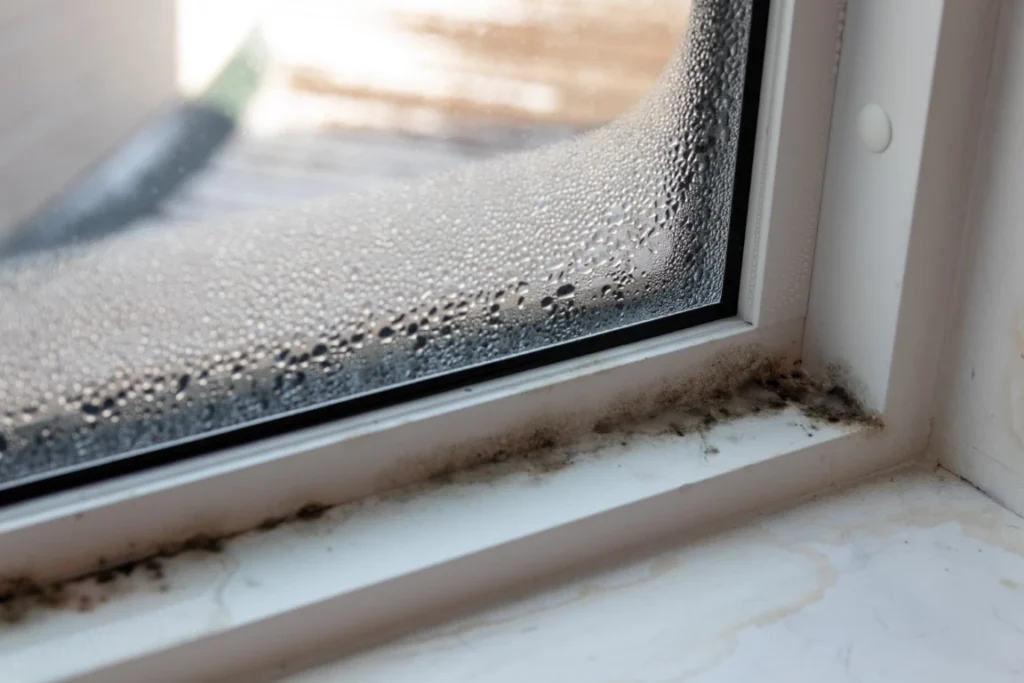
- Condensation: Tightly sealed homes can trap moisture, and as the moisture collides with cold surfaces, condensation forms, leading to the potential for mold.
- Flooding: If you’ve recently dealt with flooding on or around your property, there is an increased risk of mold problems.
How Can You Spot Early Signs of Mold Growth?
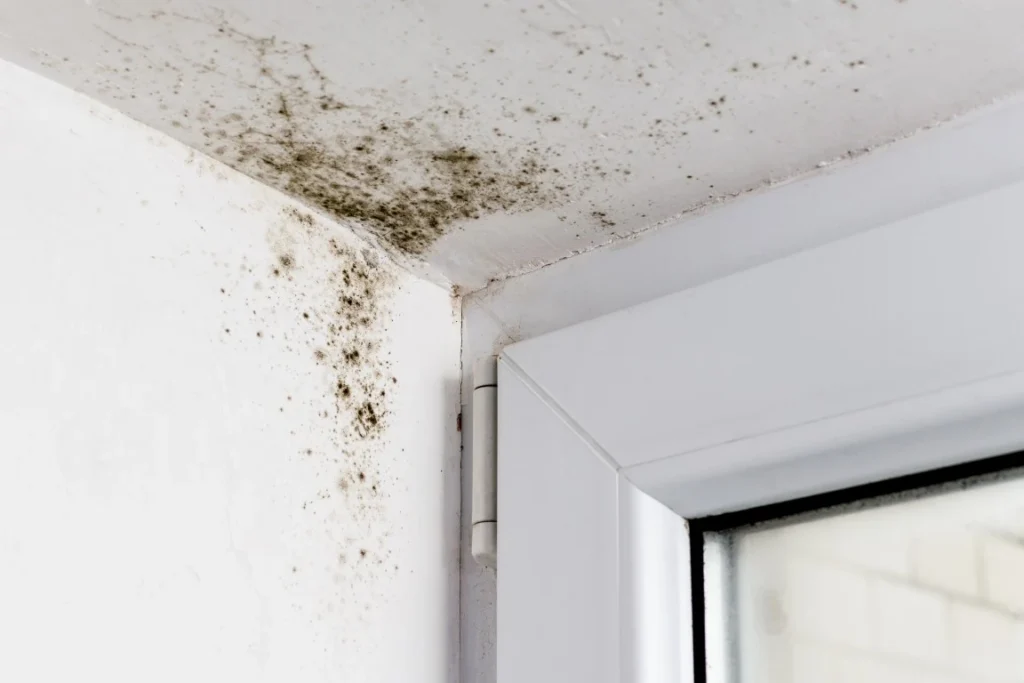
The best way to stop mold growth is to catch it in its earliest stages, but what exactly should you be looking for? In the earliest stages, it is best to rely on your eyes and nose to track down early moisture problems in your home. Look for moisture accumulation along window sills, a musty, earthy odor, peeling paint, and warped drywall.
You may also notice small patches of discoloration or staining on your walls, ceilings, and baseboards which may point to potential leaks. Finally, it is important that you perform regular inspections of your plumbing. Look behind toilets, under sinks, behind your refrigerator, or on the ceiling above your shower for mold in its earliest growth stages.
Why Is Mold Growth a Serious Health Concern for Adults Over 55?
While mold growth is harmful to everyone, adults over 55 are at an increased risk of health concerns as a result of exposure. As we age, our immune systems naturally decline and lung capacity decreases. Additionally, pre-existing lung and heart conditions, like chronic obstructive pulmonary disease (COPD), asthma, or heart disease, can further complicate matters.
The severity of sickness as a result of mold exposure is heavily tied to your baseline health. Older adults often struggle with the physical reflex responsible for clearing the respiratory tract, leading to spores lingering for longer periods of time in your lungs or nasal passages. Finally, older adults tend to spend more time indoors, increasing exposure times.
If you want to keep yourself safe from mold growths, try to control humidity levels in your home, address leaks as soon as they emerge, and consider spending more time outdoors. Additionally, if you cannot address this growth on your own, it is essential that you reach out to a loved one or trusted professional for proper removal, as improper removal can result in repeat problems.
What Steps Can Homeowners Take to Prevent Mold Growth Year-Round?
The best way to address mold growth is to prevent it from occurring in the first place. The best thing you can do to protect yourself from these growths in your home is by controlling indoor moisture levels. While some moisture is essential for everyday comfort, humidity levels in your home should never be higher than 50%.
Consider investing in a digital hygrometer, which monitors moisture levels. If it reaches over 50%, you should turn on your AC or run a dehumidifier. Also remember to use ventilation fans when showering to immediately address that moisture. It is also a good idea to open your windows regularly to let in fresh air.
However, it is important that you only open your windows for increased airflow if outdoor humidity levels are low. Finally, regularly inspect your plumbing and the exterior of your home. If your gutters are clogged, roof tiles are damaged, or plumbing is leaking, reach out to professionals for immediate repair to keep indoor moisture at bay.
When Should You Call a Professional for Mold Inspection or Remediation?
Although some mold growth can be addressed through thorough cleaning, this isn’t always the case. If you’re dealing with mold growth that covers more than 10 square feet, it is inside your HVAC system, you’re experiencing increased respiratory problems, or you can’t find the source, it is always best to reach out to a trusted mold remediation team for comprehensive care.
Attempting DIY removal can result in surface level mold removal but may not remove the spores responsible for it. This can leave you with repeat growth problems in your home. Professionals bring proper removal tools to ensure your home is thoroughly cleaned and free from mold spores, providing you with peace of mind that your home is safe for you and your loved ones.

Helping Seniors Stay Safe in Their Homes
At Leisure Villas, we are committed to providing seniors across the Wasatch Front with safe, healthy communities to call home. We understand just how daunting it can be to deal with mold growth in your home, and are dedicated to building quality homes that reduce the likelihood of mold growth.
If you would like to learn more about our Leisure Villas communities in Northern Utah or schedule a tour, contact us today for more information.